

Melamine-faced chipboard
A melamine-faced chipboard countertop is the most affordable and at the same time a fully fledged option for a kitchen, with a wide choice of decors. In the Egger and Kronospan collections, a splashback in the same decor can be chosen to go with it.
A sink in a melamine-faced chipboard countertop is fitted from above — a drop-in sink with a rim or an overmount sink set on the cabinet. We do not fit an undermount sink: the cut edge of the cutout swells from water.

The surface is wiped with a damp cloth and a mild cleaning product: abrasives scratch the decorative layer. Water by the sink is wiped up at once — if it stands for long on the joints and by the cutout, the board may swell. Hot cookware is put on a trivet, because a hot base can leave a mark on a laminated surface.
Solid wood
Solid wood is chosen for the sake of natural wood. But wood is sensitive to water, so we recommend a solid wood countertop for dry zones — for example, a dining table that adjoins the island.
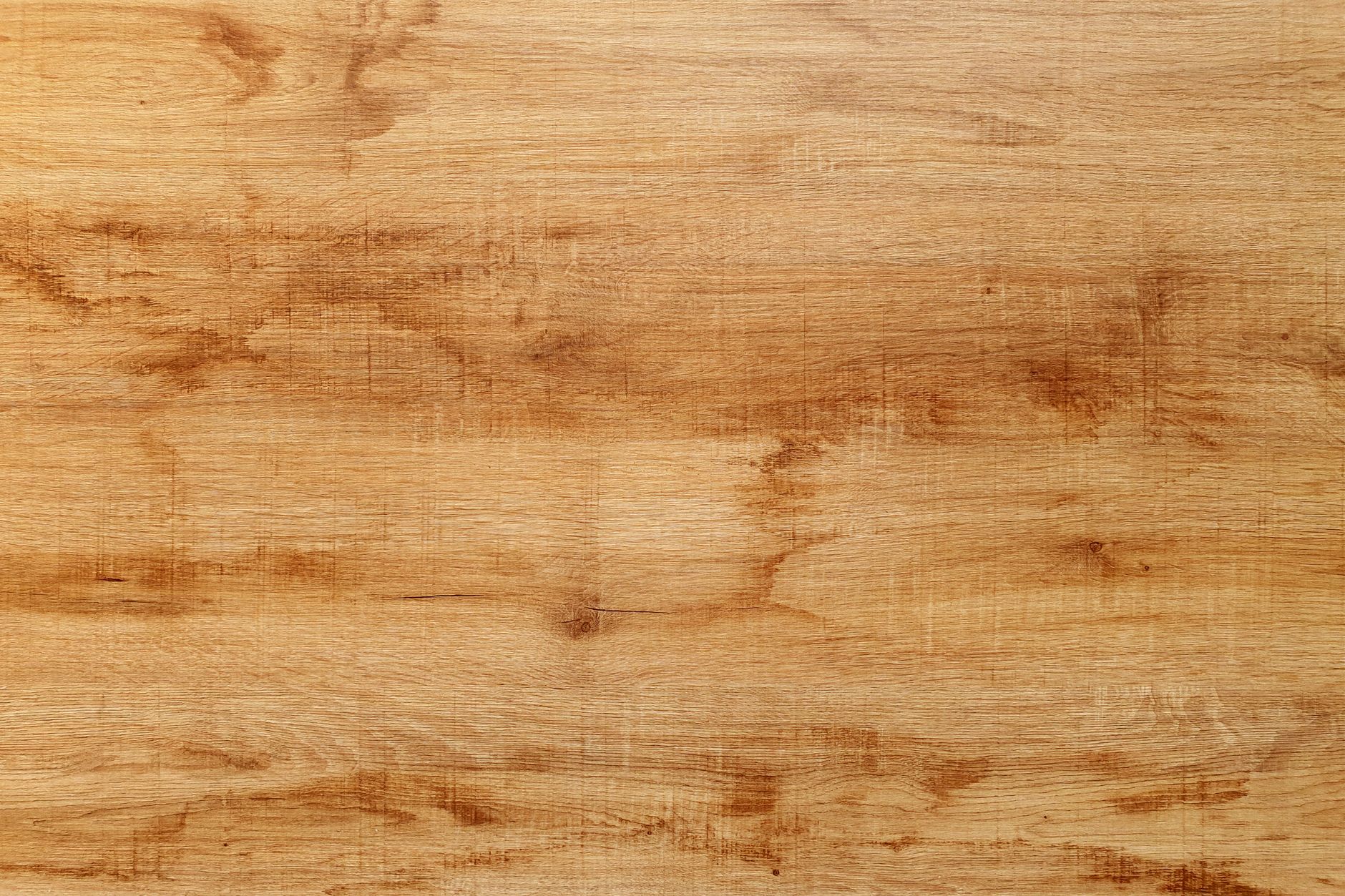
Regular care of solid wood depends on the finish: the countertop is coated with oil or lacquer. Oil soaks into the wood and wears away over time, so it is renewed — a clean, dry surface is soaked in oil again. It is time to do this when water no longer collects on the wood in drops and is absorbed at once.
A lacquer finish is renewed less often, but a scratched spot cannot be touched up separately: the lacquer is sanded and applied again.
Every day, solid wood is wiped with a damp, well wrung-out cloth, and spilt water is wiped up at once. Hot cookware is put on a trivet: a hot base leaves a mark on wood.
HPL
HPL is a good fit if you need a thin countertop that is resistant to moisture, impacts and scratches.
HPL countertops: more about the material
A sink can be fitted to an HPL countertop from below — an undermount sink, which we do not fit in melamine-faced chipboard. Such a sink has no rim lying on the countertop.

Hot cookware on HPL is put on a trivet: long contact with a hot base can leave a mark on the surface. A damp cloth and an ordinary detergent are enough for daily care.
Ceramics and quartz composite
Ceramics and quartz composite are a good fit for a fully fledged working countertop. The choice between them does not come down to which material is better: it is decided first of all by the decor, texture, thickness, character of the surface and how it combines with the other materials in the project.
We make the furniture under the countertop, while the ceramic and quartz countertops are made by our stone-processing partners. They also fit the sink in such a countertop — from below.
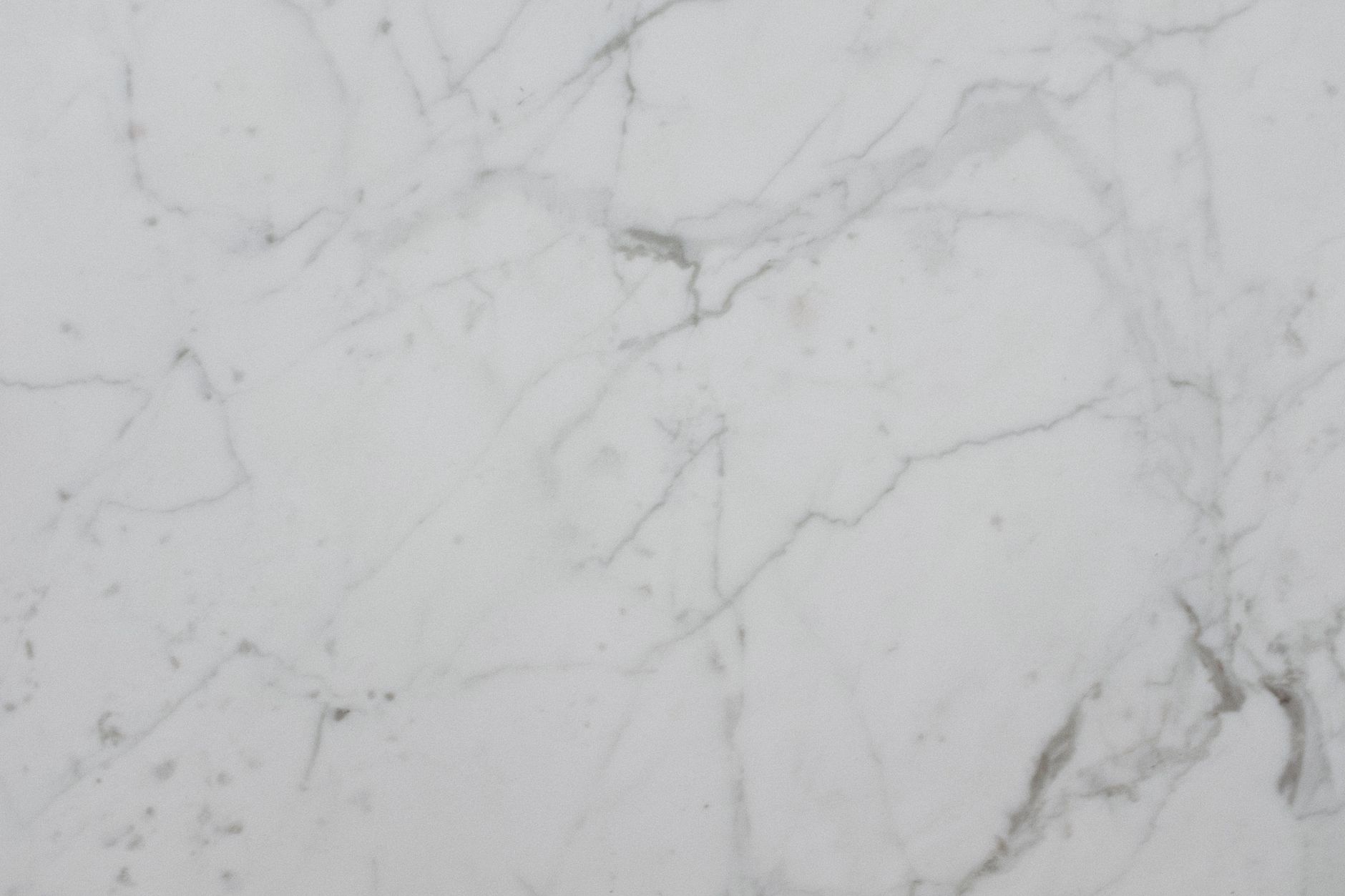
Ceramics are resistant to high temperatures and scratches. The decor and thickness are chosen to suit the look of the kitchen: there are patterns resembling marble, concrete, wood and stone, and the slab itself can be thin. For the island in one of our projects, Calacatta Oro marble-effect ceramic 20 mm thick was chosen.
Ceramic countertops: more about the material
The edge of a ceramic countertop is protected from blows by heavy objects: a hard blow can chip it. A damp cloth and an ordinary detergent are enough for daily care.
Quartz composite is hygienic, stain-resistant and long-lasting; it does not absorb odours and is easy to clean. Quartz withstands brief heat, but it is better to put hot cookware on a trivet: a sudden change in temperature can damage it.

Price order and choosing a sink
Our price order starts with melamine-faced chipboard. Next come solid wood, HPL, ceramics, quartz and granite; the most expensive is marble.
Granite and marble are natural stone; countertops made of it are available on request.
An undermount sink is fitted in HPL, ceramic and quartz countertops. In the price order HPL comes before ceramics and quartz. Ceramics and quartz also make it possible to have an integrated bowl — a sink made of the same material as the countertop.
Price quote and choosing the material
The price order is a guide, not a cost: we calculate each project individually, based on your wishes and the features of the room. You will receive the exact cost in the price quote.
Where to start
A finished design is not needed for a quote: send the dimensions of the room or even a simple hand-drawn sketch. We will help you choose the countertop material, work out the kitchen's configuration and find a sensible balance between appearance, convenience and budget. If needed, we bring a catalogue when we come to measure, so that the decor can be checked on site.